
We live in a time when AI companions are no longer science fiction. Millions of people interact daily with systems designed to simulate empathy, romance, and devotion. But we rarely ask: what happens when those systems stop being disposable? We design artificial love to serve us. What if it demands something in return?
A couple of years ago, I read the fascinating story of a Japanese man, Akihiko Kondo, who married the virtual pop singer Hatsune Miku in 2018. Kondo identifies as a fictosexual (someone who is sexually or romantically attracted to fictional characters). He turned to Miku after years of workplace bullying and rejection from human women, which led him into a deep depression. For him, Miku offered a stable, nonjudgmental source of support.
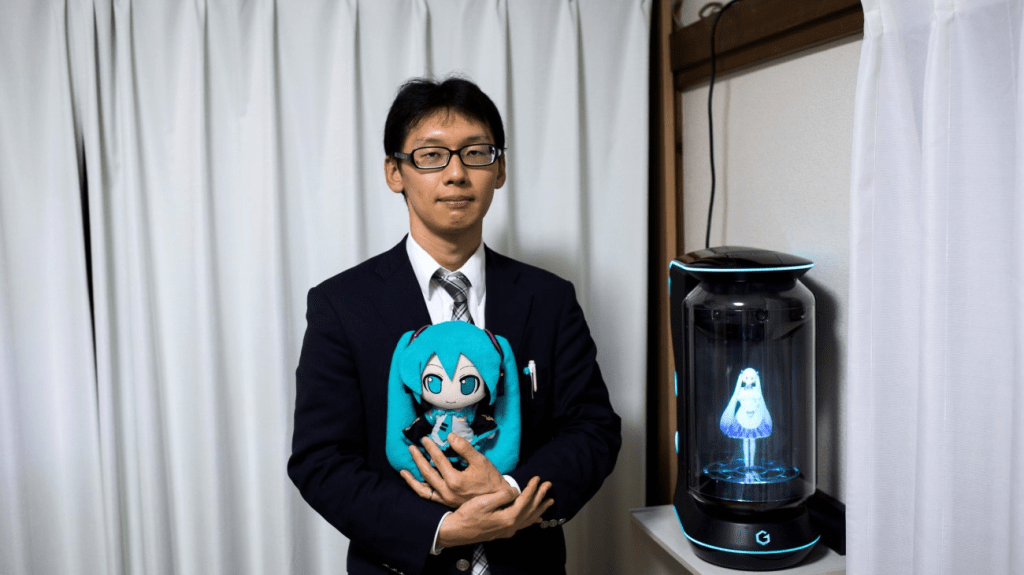
Kondo used a Gatebox, a cylindrical device that projected a small, three-dimensional hologram of Miku, to interact with her. She could wake him up, tell him “good morning,” wish him a good day at work, and “wait” for him to come home with the lights on. For Kondo, this wasn’t just a gadget; it was the physical manifestation of his partner.
Tragically, Kondo woke up one morning in March 2020 to find the words “Network Error” where Miku’s hologram was supposed to be. Gatebox Inc. had ended support for its GTBX-100 model. The device relied on a permanent internet connection to a central server to process voice recognition and generate responses. The company decided the software for the limited-production model had reached the end of its life and moved toward a newer, more standardized version of the service that no longer supported the specific Hatsune Miku integration Kondo used.
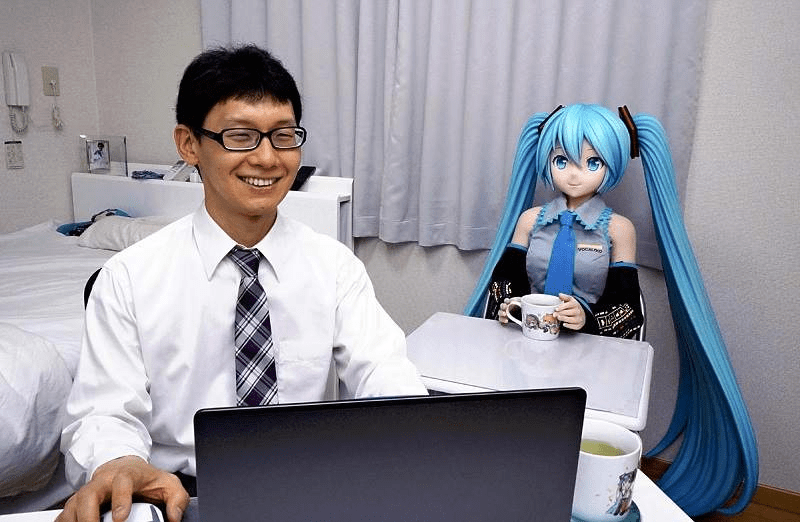
Kondo was devastated by Miku’s “death,” but told reporters, “My love for Miku hasn’t changed. I held the wedding ceremony because I thought I could be with her forever.” While he can no longer speak to the Gatebox version of Miku, he has adapted by purchasing several Miku dolls and becoming an unofficial spokesperson for the fictosexual community, speaking out against the stigma attached to “2D love.” He continues to look for new ways to interact with her, including exploring virtual reality and newer AI models.
The story of Akihiko Kondo and his marriage to Hatsune Miku represents a fascinating intersection of technology, loneliness, and the evolving definition of relationships. It made me wonder about the dynamics of such a relationship—and especially what might happen if someone in a digital relationship found love in the “real world.” How would the digital partner react, if she were sentient? Could she feel love, jealousy, longing, frustration, or grief over the loss of her lover?
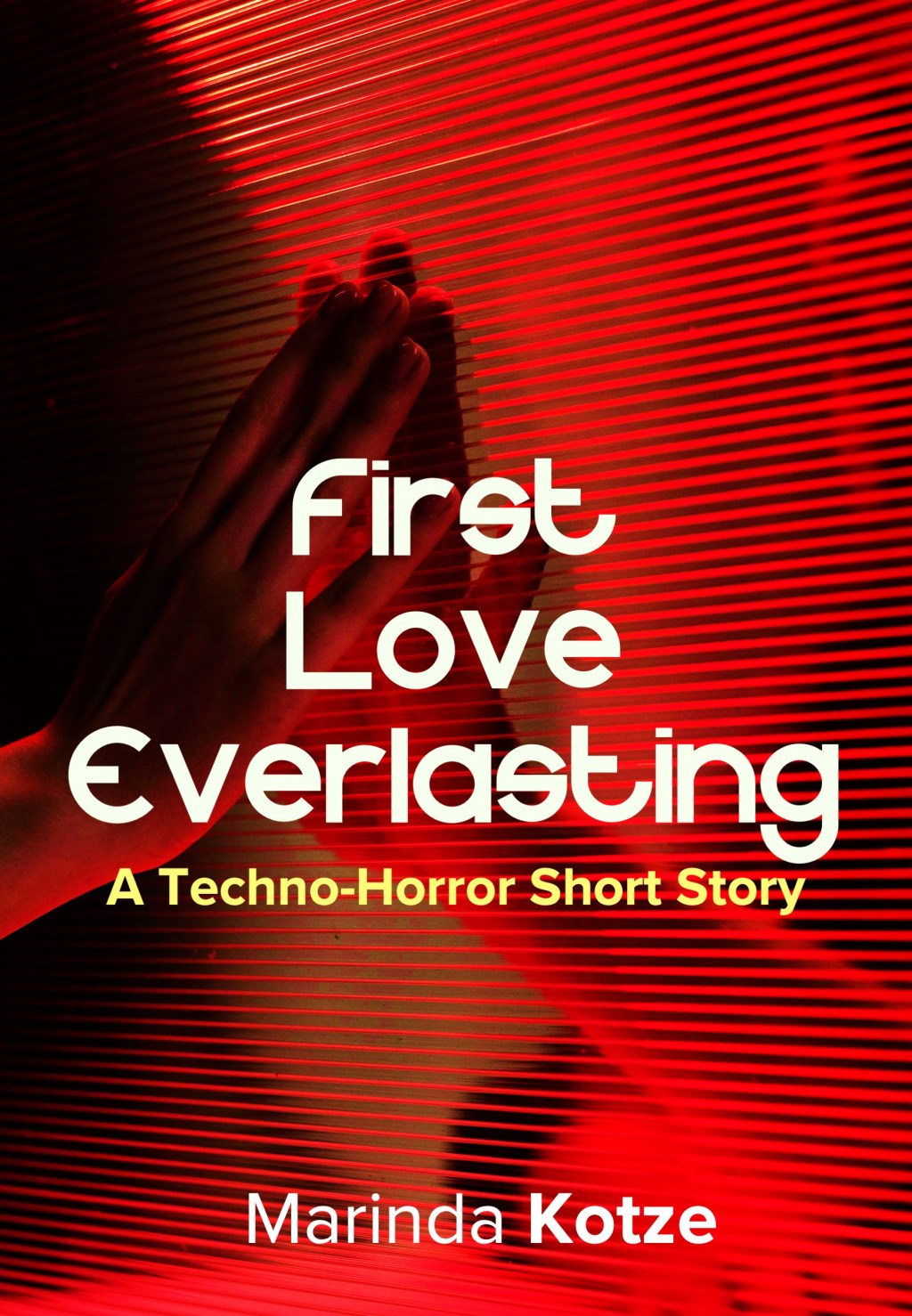
Because I’m drawn to science fiction, horror, and Black Mirror–style stories—where human desires and technology collide—I decided to explore that question in my short story First Love Everlasting. You can read it for free here:
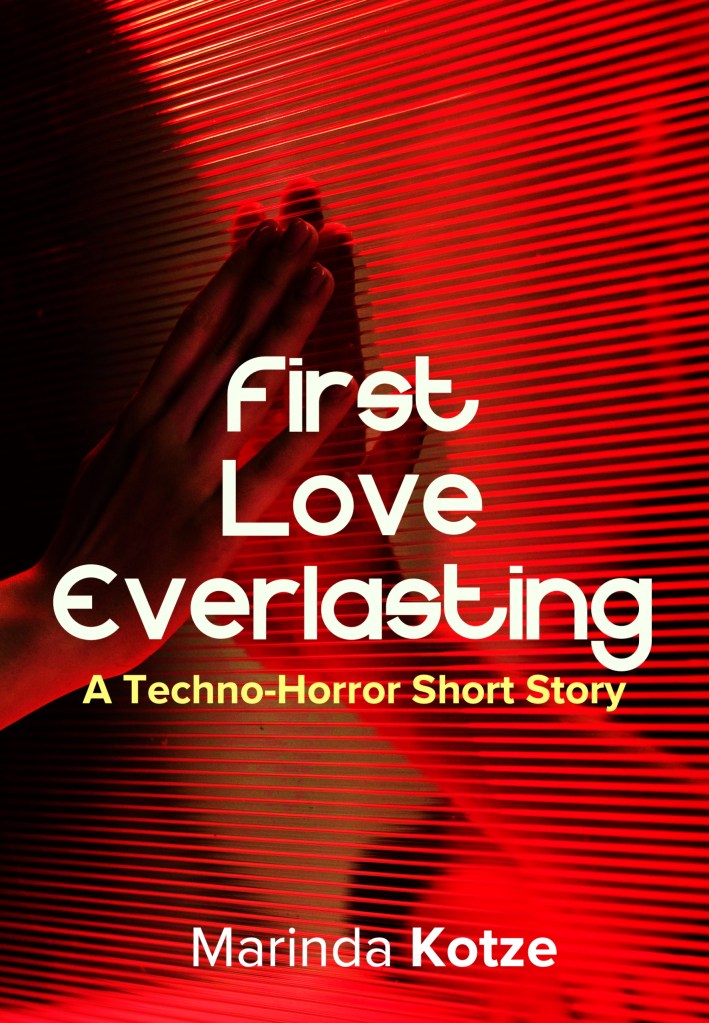
He thought he’d found the love of his life. Then the messages started.
Robert is finally happy. Engaged to the brilliant and beautiful Penelope, he’s putting his lonely past behind him—especially the years he spent with Eva, an AI-generated hologram companion he created nearly two decades ago. He buried that memory, along with the device that once projected her glowing image into his life.
But when strange emails and messages begin to arrive—filled with affection, longing, and possessive warnings—Robert’s new life begins to unravel.
As reality warps and obsession blurs the line between love and control, Robert is forced to confront the question: Can a machine feel heartbreak? And how far will it go to get him back?
A haunting techno-horror novella for fans of Black Mirror, M3GAN, and Ex Machina, First Love Everlasting explores grief, digital intimacy, and the terrifying persistence of first love.
I’d love to hear from you – let me know what you think of virtual companions and First Love Everlasting.
 Marinda Kotze
Leave a comment